
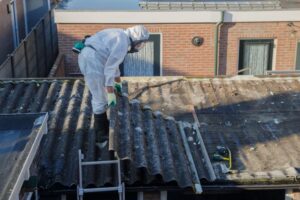
Discovering asbestos in a home or commercial property can raise plenty of questions, especially if you’ve never dealt with it before. What happens during asbestos removal? How is the affected area handled? And what should property owners expect?
Asbestos abatement is a specialized process intended to address asbestos-containing materials while reducing the risk of releasing fibers into the surrounding environment. Although the exact steps can vary based on the property and materials involved, understanding the general asbestos removal process can help you know what to expect.
Identifying Asbestos-Containing Materials
Before asbestos can be removed, potentially affected materials need to be identified. Asbestos was historically incorporated into numerous building products, particularly in older structures. It may be present in certain types of insulation, flooring, ceiling materials, siding, roofing products, and other components. Unfortunately, you generally cannot determine whether a material contains asbestos simply by looking at it. When asbestos is suspected, appropriate testing can be used to determine whether it is present.
This is particularly important before renovations or demolition. Cutting, sanding, breaking, or otherwise disturbing asbestos-containing materials can release microscopic fibers into the air.
Preparing and Containing the Work Area
When asbestos-containing materials require removal, controlling the work area is an important part of the abatement process. Depending on the project, this can involve restricting access and using containment measures designed to help prevent asbestos fibers and debris from spreading into unaffected portions of the property.
Notably, asbestos removal workers use appropriate protective equipment and specialized procedures. Since asbestos exposure can present serious health risks, removal is not a typical do-it-yourself home improvement project.
Removing and Disposing of Asbestos Materials
Once the work area is prepared, asbestos-containing materials can be carefully removed using methods appropriate for the type and condition of the material. The materials must also be properly contained and handled during disposal. Asbestos waste is subject to regulations governing how it is managed and where it can be disposed of. These requirements are another reason professional asbestos removal is important.
The scope and length of the project will depend on factors such as the amount of material involved, where it is located, and the complexity of accessing the affected areas.
What Happens After Asbestos Removal?
After asbestos-containing materials have been removed, the work area requires careful cleanup. The specific requirements following removal can vary depending on the project and applicable regulations. For property owners planning renovations or demolition, completing necessary asbestos abatement can also help prepare the affected area for the next stage of work.
When Should You Consider Professional Asbestos Removal?
Asbestos may become a concern when an older property is being renovated, demolished, or repaired, as well as when suspected materials have become damaged or deteriorated. Rather than disturbing questionable materials yourself, having them appropriately evaluated can help you determine the right course of action.
If you’re concerned about asbestos in your home or commercial property in the San Antonio area, 1st Choice Abatement & Demolition provides asbestos removal and abatement services. Contact us for a free quote.
Recent Comments