
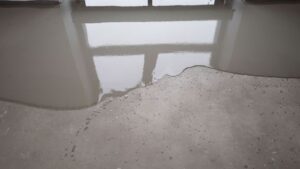
When flooding affects a home or commercial property, the most obvious concerns are often standing water, soaked belongings, and visibly damaged floors or walls. However, some of the most significant effects of flooding aren’t immediately visible. Water can travel into concealed spaces and affect building materials long after the standing water is gone.
Understanding the hidden damage flooding can cause can help property owners recognize why a building may require closer attention following a flood, plumbing failure, or other significant water event.
Moisture Can Remain Behind Walls and Ceilings
Water doesn’t always stay where it first enters a building. Depending on the source and extent of the flooding, moisture may travel behind drywall, into wall cavities, or through ceilings. This can make water damage difficult to evaluate based on appearance alone. A wall may look relatively normal on the surface while materials behind it remain damp.
Over time, homeowners and property managers may notice warning signs such as staining, peeling paint, bubbling finishes, soft drywall, or musty odors. These changes can indicate that moisture has affected areas beyond what was initially visible.
Flooring Can Hide Water Damage
Floodwater can also find its way beneath flooring materials. Carpet and padding may absorb significant amounts of water, while moisture can become trapped beneath wood, laminate, vinyl, tile, or other finished flooring. Depending on the materials involved and the extent of the water exposure, flooring may begin to warp, buckle, lift, stain, or deteriorate. Subflooring and other materials underneath the finished surface may also be affected.
This is one reason a room that appears dry after visible water has been removed may still require further evaluation.
Excess moisture can create an environment where mold may develop. This is particularly concerning when water reaches concealed spaces that aren’t able to dry effectively. Mold may develop behind walls, underneath flooring, around insulation, or in other areas where homeowners cannot easily see it. A persistent musty odor, unexplained discoloration, or deterioration of previously wet materials may signal a problem that warrants attention.
Building Materials May Deteriorate
Many common building materials are not designed to remain saturated. Drywall, insulation, wood products, cabinetry, and other materials can deteriorate after substantial water exposure. Damage may include swelling, warping, crumbling, staining, or loss of strength. In some situations, materials that cannot be adequately restored may need to be removed as part of the property’s recovery.
The extent of damage depends on several factors, including where the water traveled, how much water entered the property, which materials were affected, and how long those materials remained wet.
Water and electrical systems can create serious safety concerns. Flooding may reach outlets, wiring, appliances, electrical panels, or other components, including those hidden inside walls. Property owners should avoid entering areas where standing water may have come into contact with electricity. Electrical concerns following flooding should be evaluated by an appropriately qualified professional before affected systems are used.
Why Visible Damage Doesn’t Tell the Whole Story
One of the challenges of flood damage is determining how far the water traveled. Removing standing water is an important step, but it doesn’t necessarily reveal the full extent of the problem. Moisture may remain inside walls, underneath floors, or within other building materials. As time passes, hidden damage can become more apparent through odors, stains, deteriorating materials, or other changes to the property.
After a flood, burst pipe, severe leak, or similar water event, it is important to consider both visible and concealed damage. Areas that look unaffected at first glance may still have been exposed to moisture, particularly when a significant amount of water entered the building.
1st Choice Abatement & Demolition provides services for properties affected by flooding and other types of damage. If your home or commercial property has experienced flooding in the San Antonio area, contact us for a quote.
Recent Comments