
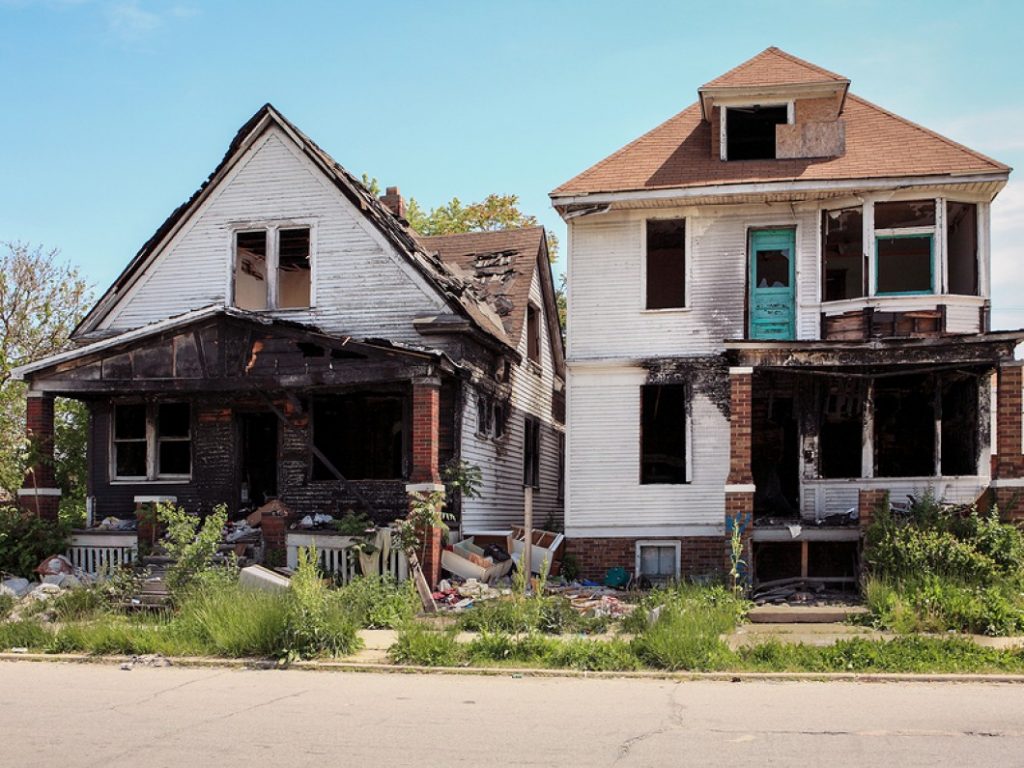
Experiencing a fire in a home, business, or other property can be overwhelming. Even after the flames are extinguished, the damage often extends beyond what is immediately visible. Smoke, soot, water from firefighting efforts, and structural concerns can all affect the condition of a property. Understanding the fire damage restoration process can help property owners know what to expect and make informed decisions as they move forward.
The Initial Property Assessment
One of the first steps in the restoration process is a thorough assessment of the affected property. Fire damage can vary significantly depending on the size of the fire, the materials involved, and how long the fire burned before it was extinguished.
During an assessment, professionals typically evaluate:
- The extent of fire and smoke damage
- Areas affected by soot residue
- Water damage caused by firefighting efforts
- Structural concerns that may impact safety
This evaluation helps determine the scope of work required and allows restoration efforts to be planned appropriately.
Securing the Property
After a fire, parts of a structure may be exposed to the elements due to damaged windows, doors, or roofing materials. Securing the property is often an important early step to help prevent additional damage from weather, animals, or unauthorized entry.
Depending on the situation, this may involve:
- Boarding up windows and doors
- Installing temporary barriers
- Covering damaged roof areas with protective materials
Taking these measures can help stabilize the property while restoration plans are developed.
Addressing Water Damage
Many property owners are surprised to learn that water damage is often a significant part of fire restoration. The water used to extinguish a fire can soak into walls, flooring, insulation, and other building materials.
If moisture is not addressed promptly, it may lead to additional problems such as material deterioration, structural weakening, unpleasant odors and mold growth. As such, removing excess water and drying affected areas is an important component of the restoration process and can help prevent secondary damage.
Smoke and Soot Cleanup
Even areas that were not directly touched by flames may be affected by smoke and soot. Fine particles can travel throughout a building, settling on walls, ceilings, furniture, and other surfaces. Smoke and soot may create unwelcome odors, cause stains and damage electronics and other materials.
Cleaning these residues often requires specialized techniques and equipment to restore affected surfaces and improve indoor conditions.
Demolition and Removal of Damaged Materials
In some cases, portions of a property may be too severely damaged to be salvaged. Fire-damaged drywall, insulation, flooring, and other materials may need to be removed before reconstruction can begin.
Selective demolition helps clear out compromised materials while preserving portions of the structure that remain sound. This stage can also provide better access to hidden areas where damage may not be immediately visible.
Restoration and Reconstruction
Once damaged materials have been removed and the property has been cleaned and stabilized, restoration work can begin. The extent of reconstruction depends on the severity of the damage.
Restoration efforts may include:
- Repairing walls and ceilings
- Replacing flooring materials
- Rebuilding damaged structural elements
- Restoring affected rooms or sections of the property
- The goal is to return the property to a safe, functional condition.
The Importance of Acting Quickly
Time is an important factor following a fire. Smoke residue, soot, and water damage can continue to affect building materials if left unaddressed. Prompt action can help reduce additional damage and may improve the overall restoration outcome.
Property owners should also document visible damage and communicate with their insurance provider as appropriate. Keeping records and photographs may help support the claims process and provide a clearer picture of the property’s condition immediately after the event.
By responding quickly and working with experienced professionals, property owners can take important steps toward restoring their property and preparing it for future use.
If you need fire restoration services in the San Antonio area, reach out to us today.
Recent Comments