
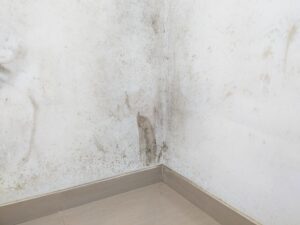
Finding mold in your home can be concerning, and having it removed may seem like the end of the problem. But can mold return after removal? The short answer is yes. Mold can grow again if the conditions that allowed it to develop in the first place are still present.
As such, it’s vital to know why mold returns and what you can do to reduce the likelihood of future growth. From plumbing leaks and water damage to persistent humidity, controlling moisture is one of the most important factors in keeping mold from becoming a recurring issue.
Why Does Mold Come Back?
Mold needs moisture to grow. Removing visible mold addresses existing growth, but it does not necessarily eliminate the source of the moisture that contributed to the problem. For example, mold developing around a leaking pipe may return if the pipe continues to leak. Similarly, a basement with recurring water intrusion may continue to experience conditions favorable to mold growth until the underlying moisture issue is addressed.
Potential sources of excess moisture include:
- Leaking pipes or plumbing fixtures
- Roof leaks
- Flooding and water damage
- Persistent indoor humidity
- Condensation
- Water intrusion around windows or doors
- Damp basements or crawl spaces
As such, finding and addressing the source of unwanted moisture can therefore be just as important as dealing with the mold itself.
Can Mold Grow in the Same Place Again?
Mold can return to an area that was previously affected if sufficient moisture becomes available again. Building materials such as drywall, wood, carpeting, and insulation can be particularly vulnerable when they remain damp.
Recurring growth does not necessarily mean the original mold removal was unsuccessful. A new leak, flooding event, or other moisture problems can create favorable conditions again. Homeowners who have previously experienced mold should pay attention to the affected area and watch for signs of new moisture.
Signs a Mold Problem May Be Returning
Visible growth is one potential warning sign, but homeowners may notice other changes first. A persistent or returning musty odor can indicate that an area deserves further investigation.
Other possible warning signs include:
- New stains or discoloration
- Peeling or bubbling paint
- Warped or deteriorating building materials
- Recurring condensation
- Damp carpeting or flooring
- Water stains on walls or ceilings
These signs don’t necessarily confirm mold growth, but they may indicate an underlying moisture problem that should not be ignored.
What About Mold Hidden Behind Walls or Floors?
Not all mold is immediately visible. Water can travel behind walls, underneath flooring, into ceilings, or through other concealed areas of a property. Consequently, homeowners may not always realize how far a moisture problem extends.
A small plumbing leak, for example, could affect materials inside a wall before visible signs appear in the living space. Likewise, flooding may leave moisture trapped beneath flooring even after the surface appears dry. When there is reason to suspect hidden mold, unnecessarily opening walls or disturbing potentially affected materials may not be the best first step. It’s best to have a professional evaluation.
How Can You Help Prevent Mold From Returning?
Moisture control plays an important role in reducing the conditions that support mold growth. While every property is different, homeowners can take practical steps to monitor their homes and respond to potential problems.
Repair plumbing and roof leaks when they are discovered, pay attention to recurring condensation, and investigate unexplained dampness or water stains. Areas prone to moisture, including bathrooms, basements, kitchens, attics, and crawl spaces, may benefit from regular attention.
Following flooding or significant water damage, acting promptly is also important. Moisture that remains within building materials can create additional problems even when surfaces initially appear dry.
Addressing Mold at the Source
Simply seeing that mold has disappeared doesn’t always tell the whole story. When excess moisture continues, conditions may remain favorable for mold to return. That’s why understanding where the moisture came from and whether affected materials extend beyond the visible area is an important part of addressing the issue.
If you’re dealing with mold growth or suspect mold has returned to your property, 1st Choice Abatement & Demolition provides mold removal and remediation services in the San Antonio area. Contact us to get started.
Recent Comments