
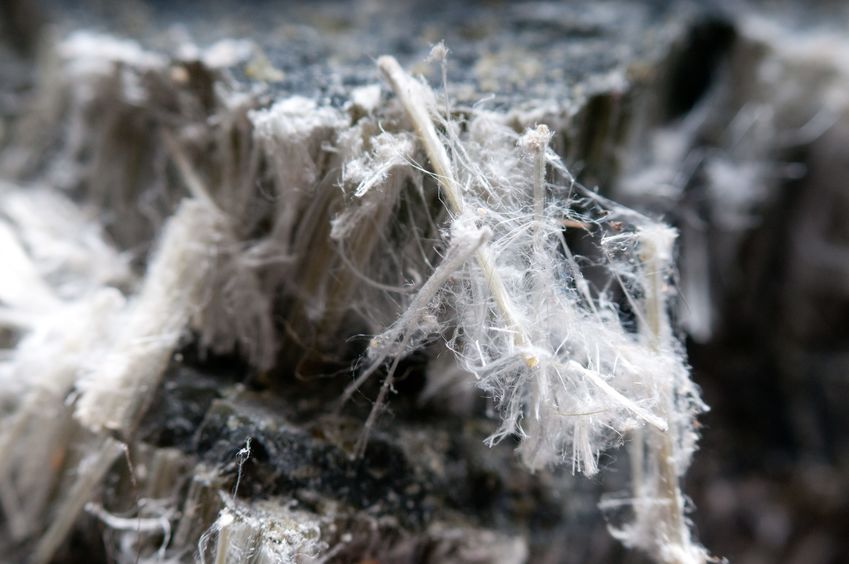
When people hear the word “asbestos,” it often brings immediate concern, and for good reason. Asbestos was widely used in building materials for decades due to its durability and resistance to heat and fire. While it is no longer commonly used in modern construction, it can still be present in many older homes and buildings. Understanding the signs of possible asbestos-containing materials can help property owners make informed decisions, especially before starting renovations or repairs.
Why Asbestos May Be Present in Your Home
Asbestos was commonly used in residential and commercial construction prior to the 1980s, although some materials containing asbestos were still in use into the early 1990s. If your home was built during this time, there’s a possibility that certain materials may contain asbestos.
It’s important to note that asbestos is not always dangerous when left undisturbed. However, when materials are damaged, cut, sanded, or otherwise disturbed, tiny fibers can become airborne. These fibers are not visible to the naked eye and may pose health risks when inhaled over time.
Common Areas Where Asbestos May Be Found
While you cannot confirm the presence of asbestos without proper testing, there are several areas in a home where it has historically been used:
- Insulation: Especially around pipes, boilers, and attics
- Flooring materials: Vinyl tiles and the adhesives used beneath them
- Ceiling tiles and textured ceilings: Including some “popcorn” ceilings
- Roofing and siding materials: Shingles and cement siding products
- Wall materials: Drywall joint compounds and patching materials
If your home contains original materials in these areas and was built several decades ago, it may be worth taking a closer look before making changes.
Visual Clues That May Indicate a Problem
Asbestos-containing materials do not always have obvious visual identifiers, but certain signs may suggest a need for further evaluation:
- Crumbling or deteriorating insulation
- Damaged ceiling or floor tiles
- Aging materials that show wear, cracking, or flaking
- Dust or debris around areas where materials are breaking down
Even with these signs, it’s not possible to confirm asbestos just by looking. Professional assessment and testing are the only reliable ways to determine whether asbestos is present.
Renovation and Remodeling Risks
Asbestos becomes a major concern is during renovation projects. Activities like tearing out flooring, removing walls, sanding surfaces, or replacing insulation can disturb materials that may contain asbestos.
Before starting any renovation—especially in an older home—it’s wise to consider whether hazardous materials could be present. Taking the proper precautions ahead of time can help prevent unnecessary exposure and avoid complications during the project.
Why Professional Evaluation Matters
Handling suspected asbestos-containing materials without proper precautions can increase the risk of exposure. That’s why many property owners choose to work with trained professionals who understand how to assess and manage these situations safely.
Professional services may include inspection, testing, and, when necessary, controlled removal or containment. These processes are designed to minimize the release of fibers and help maintain a safer environment during and after the work.
If you need asbestos removal in San Antonio or Corpus Christi, TX, reach out to 1st Choice Abatement & Demolition, LLC today.
Recent Comments